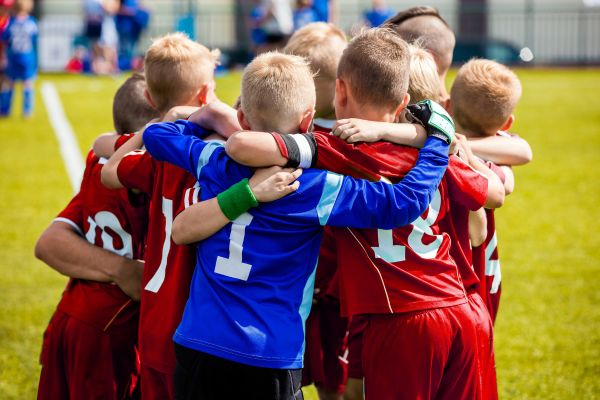
Youth sports have long been part of childhood, woven into school calendars, weekend routines, and neighborhood life. From early morning practices to dusty cleats left by the door, sports often shape memories that last well into adulthood. Beyond trophies or win–loss records, the real value lies deeper. The benefits of youth sports reach into physical health, emotional resilience, social development, and even how children learn to navigate the world around them.
What makes youth sports especially powerful is that they meet children where they are. Whether a child is naturally athletic or just learning how to move confidently, sports offer structured challenges that feel playful rather than forced. Over time, these experiences quietly influence how kids grow, think, and relate to others.
Building Strong and Healthy Bodies Early in Life
One of the most visible benefits of youth sports is physical development. Regular participation helps children build strength, coordination, balance, and endurance at a time when their bodies are primed to adapt. Running, jumping, throwing, and stretching become second nature, not chores.
Sports also encourage consistent physical activity in a way that feels meaningful. Instead of exercising for the sake of exercise, kids move because they want to play, improve, and belong. This connection between movement and enjoyment can lay the foundation for lifelong healthy habits. Children who grow up associating physical activity with fun are more likely to stay active as teenagers and adults.
Just as important, youth sports support healthy growth patterns. Strong bones, improved cardiovascular health, and better motor skills all develop through regular play. These physical benefits often show up in subtle ways, like improved posture, better sleep, or increased energy throughout the day.
Supporting Mental and Emotional Well-Being
The benefits of youth sports extend well beyond the physical. Participation often provides a powerful outlet for stress, especially in a world where children face academic pressure, social expectations, and constant stimulation. Sports give kids a space to release energy, clear their minds, and focus on something tangible.
Confidence is another quiet but profound outcome. Learning a new skill, improving performance, or contributing to a team builds a sense of competence. Even small wins, like finally mastering a pass or completing a race, can change how a child sees themselves. That confidence often carries over into classrooms and social settings.
Sports also teach children how to handle emotions in real time. Joy, frustration, disappointment, and excitement all surface during games and practices. Experiencing these feelings in a supportive environment helps children learn emotional regulation. Over time, they begin to understand that setbacks are temporary and effort matters more than perfection.
Teaching Discipline, Commitment, and Time Awareness
Youth sports introduce structure into a child’s routine without making it feel rigid. Practices, games, and team responsibilities require showing up on time, following rules, and staying focused. These expectations naturally build discipline.
Children begin to understand the relationship between effort and improvement. Skipping practice has consequences, just as consistent effort leads to progress. This lesson, learned through experience rather than lectures, often sticks. It helps children develop a sense of responsibility for their own growth.
Time management is another skill that emerges along the way. Balancing schoolwork, family time, and sports teaches children how to prioritize. While they may not articulate it clearly, they start to recognize that choices matter and time is finite.
Encouraging Social Skills and Meaningful Connections
Few environments teach social interaction as organically as youth sports. Teams bring together children from different backgrounds, personalities, and skill levels, all working toward a shared goal. Communication becomes essential, whether it’s calling for a pass, offering encouragement, or resolving a disagreement.
Through these interactions, children learn cooperation and empathy. They begin to see how their actions affect others and why mutual respect matters. Over time, they develop the ability to listen, adapt, and collaborate, skills that are valuable far beyond the playing field.
Friendships formed through sports often feel different from casual acquaintances. Shared effort, challenges, and victories create bonds rooted in experience. For many children, these relationships provide a sense of belonging that boosts overall well-being.
Learning Resilience Through Wins and Losses
Not every game ends in victory, and that is one of the most important lessons youth sports offer. Losing can be difficult, especially for younger children, but it provides a safe space to experience disappointment and learn how to recover from it.
Sports teach that failure is not final. A missed shot or a tough loss becomes an opportunity to reflect, adjust, and try again. Over time, children learn resilience, the ability to keep going even when things don’t go as planned.
Winning, too, comes with lessons. Celebrating success while remaining humble helps children understand sportsmanship. They learn that respect for opponents and gratitude for teammates matter just as much as the scoreboard.
Shaping Character and Ethical Awareness
Many of the benefits of youth sports show up in character development. Concepts like fairness, honesty, and accountability are woven into games and practices. Rules matter, and breaking them has consequences. Children begin to understand the importance of integrity in action, not just in words.
Leadership often emerges naturally in team settings. Some children lead by example through effort and consistency, while others find their voice in encouraging teammates. These early leadership experiences help children recognize their strengths and how they can positively influence others.
Sports also expose children to adult mentors outside their families. Coaches who model patience, fairness, and dedication can have a lasting impact, shaping how children view authority and guidance.
Helping Children Develop Focus and Cognitive Skills
While youth sports are physical by nature, they also challenge the mind. Games require quick decision-making, spatial awareness, and strategic thinking. Children learn to read situations, anticipate outcomes, and adjust their actions in real time.
This mental engagement can translate into improved focus in other areas of life. Many parents and educators notice that children involved in sports often show better concentration and problem-solving skills in school. The ability to stay present and adapt under pressure becomes a transferable skill.
Sports also teach goal-setting in a practical way. Improving a skill or working toward a season milestone helps children understand how small, consistent efforts lead to larger achievements.
Creating Positive Habits That Extend Into Adulthood
Perhaps one of the most lasting benefits of youth sports is the foundation they create for adulthood. The habits formed early, staying active, working with others, managing emotions, and committing to goals, often continue long after organized sports end.
Children who grow up with positive sports experiences are more likely to value movement, teamwork, and resilience as adults. Even if they don’t continue playing competitively, the mindset remains. Exercise feels familiar, challenges feel manageable, and setbacks feel survivable.
These long-term effects highlight why youth sports matter even for children who never dream of playing professionally. The value lies not in the destination, but in the journey.
A Natural Part of Growing Up Well
The benefits of youth sports are not limited to any single outcome. They touch nearly every aspect of development, from physical health to emotional intelligence, from friendships to self-belief. What makes sports special is their ability to teach life lessons in a way that feels natural and engaging.
When children play sports, they are not just learning how to run faster or throw farther. They are learning how to show up, how to try, how to fail, and how to keep going. These lessons, learned on fields and courts, quietly shape who they become.
In a world that often feels rushed and digitally crowded, youth sports offer something refreshingly human. They remind children, and adults, that growth happens through movement, connection, and shared experience.