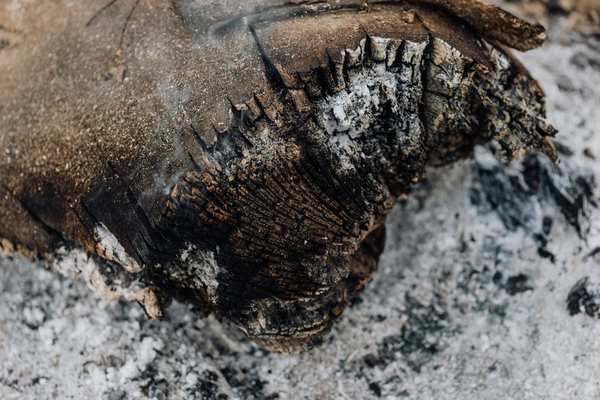
The Ashes can sound mysterious if you are new to cricket. England and Australia play a Test series, commentators talk about “winning the urn,” and a tiny Victorian object seems to matter as much as the results. The rivalry makes more sense once you know the urn was never designed as a conventional sports trophy. It became a symbol because of a joke, a shocking defeat and a story that grew with every generation.
Why is England vs Australia cricket called The Ashes?
The story begins at The Oval in London in 1882. Australia beat England there by seven runs, their first Test victory on English soil. Soon afterwards, The Sporting Times published a mock obituary declaring that English cricket had died and that its ashes would be taken to Australia.
The joke caught on. England captain Ivo Bligh then travelled to Australia for the 1882–83 tour promising to “recover the ashes.” During that trip, he was presented with a small terracotta urn as a personal memento. That object eventually became the physical symbol of the rivalry, even though the series was not originally created around a formal trophy.
The Ashes urn history is stranger than the legend
The original urn is often described as a grand prize carried back and forth by the winning team. It is not. According to MCC, the urn is 10.5 centimetres tall—just over four inches, rather than the six inches sometimes quoted—and weighs less than 125 grams. It may have started life as a small perfume jar.
Even the contents are uncertain. Popular stories have suggested burnt bails, a stump or other cricket material, but MCC says nobody can be sure what is inside. The mystery suits the object: its importance comes from what it represents, not its size or materials.
Bligh regarded the urn as a personal gift. After his death, his widow Florence donated it to Marylebone Cricket Club in 1928. The original now resides in the MCC Museum at Lord’s and only travels on exceptional occasions. Since the late 1990s, the winning captain has instead been presented with a much larger Waterford Crystal trophy modelled on the urn.
How does the Ashes series format work?
The men’s Ashes is normally a five-Test series hosted alternately by England and Australia. A Test can last up to five days, and each match can end in a win for either team, a draw or, very rarely, a tie. The series result is based on how many Tests each side wins.
There is no separate Ashes points table. If England win three Tests and Australia win two, England win the series 3–2. If Australia win two, England win one and two matches are drawn, Australia win 2–1. Drawn Tests still matter because they reduce the trailing side’s chances to catch up.
For readers learning the longer form of the game, Test cricket rules explained is a natural next step. A guide to cricket scoring basics can also make Ashes scorecards easier to follow.
What happens when an Ashes series ends level?
If an Ashes series is drawn, the team that already holds the Ashes retains them. A level series does not transfer possession to the challenger.
The 2023 series is a clear real-world example. Australia arrived in England as the holders. After five Tests, the series finished 2–2, with one match drawn. England had matched Australia across the series, but they had not beaten them overall, so Australia retained the Ashes. This is why a team can “retain” the urn before the final Test if it has already made series defeat mathematically impossible.
A useful viewing tip is to watch the series score as closely as the current match. If the holders lead 2–1 with one Test left, the challengers must win that final Test just to draw the series—and a draw would still leave the Ashes with the holders.
Why does The Ashes feel bigger than a normal Test series?
Part of the answer is age. Test cricket between Australia and England predates the Ashes story itself, and the rivalry has accumulated more than a century of famous players, dramatic collapses, hostile fast bowling, controversial moments and unlikely comebacks. Each generation inherits stories from the previous one.
The other reason is scarcity. Ashes series do not happen every season, and five-Test contests give the story time to develop. One match can change the mood of a summer. A struggling batter can become the hero later; a bowler can dominate several Tests; injuries, weather and pitch conditions can reshape the contest over weeks.
An Ashes match therefore feels less like an isolated fixture and more like a chapter in an ongoing story. Famous series such as 2005 are remembered not only for the final score but for the close finishes and individual performances along the way. Readers wanting more background may also enjoy a history of Test cricket rivalries or a guide to famous cricket grounds in England and Australia.
Is the women’s Ashes the same competition?
England and Australia also contest the Women’s Ashes, but its modern format is different from the men’s five-Test series. The women’s contest is a multi-format competition that can include a Test, One Day Internationals and Twenty20 Internationals, with points awarded across the matches. It has its own Ashes trophy and history, so the men’s series rules should not be assumed to apply directly to it.
Frequently asked questions about The Ashes
Why is it called The Ashes?
The name comes from a satirical newspaper obituary published after Australia beat England at The Oval in 1882. It joked that English cricket had died and its ashes would be taken to Australia.
Is the Ashes urn the actual trophy?
The original urn is the historic symbol of the rivalry and is kept at Lord’s. The official trophy presented to the men’s captain is a larger Waterford Crystal version commissioned by MCC in the 1990s.
How many Tests are in an Ashes series?
The men’s Ashes is normally played over five Test matches, alternating between England and Australia as host countries.
Who keeps the Ashes if the series is drawn?
The existing holder retains the Ashes. That happened in 2023, when England and Australia finished 2–2 but Australia kept the Ashes because they had held them going into the series.
Why the tiny urn still matters
The Ashes survives because its central image is wonderfully out of proportion to the rivalry around it. A delicate urn that began as a private gift now stands for weeks of elite Test cricket and more than a century of shared history. Once you understand the origin, the five-Test format and the holder-retains rule, the language around the series becomes easier to follow—and the little urn starts looking like one of sport’s most effective symbols.