If you’ve ever coached kids, you already know the truth: attention spans can be short, energy levels run high, and the drills you thought would be a hit sometimes fall flat. That’s why finding the Best youth coaching drills isn’t just helpful—it’s essential for keeping young athletes engaged, improving their skills, and making practices something they actually look forward to. And let’s be real, when kids enjoy practice, everything else gets easier.
This guide feels more like a friendly conversation than a stiff lecture, because coaching kids isn’t a corporate meeting—it’s chaotic, rewarding, and honestly, a lot of fun. So here’s a breakdown of what really works, why it works, and how you can bring these drills to life in your own training sessions.
Why The Best Youth Coaching Drills Matter More Than You Think
The thing is, kids don’t learn the same way adults do. They need movement. They need variety. They need to feel like they’re playing, even when they’re learning something important. That’s why the Best youth coaching drills blend skill-building with excitement. If the drill feels like a game, they’re in. If it feels like homework… good luck.
Youth drills also build confidence. A kid who struggles with coordination or feels “behind” can suddenly light up when a drill clicks. That moment right there—when you see them smile because they finally nailed it—that’s what good coaching is all about.
Building Better Practices With Smart, Simple Drills
Before jumping into the drills themselves, it helps to understand what makes a drill actually good. The Best youth coaching drills have a few things in common. They’re easy to explain without a ten-minute speech. They teach a core athletic skill. They have enough action to prevent boredom. And they’re flexible—meaning you can scale them for younger or older groups without completely redesigning your practice.
Kids get frustrated with overly complicated instructions. They want to move. They want to feel involved. When your drills allow constant touches, chances to try again, and opportunities for everyone to participate, you’ll see their focus last way longer.
Smooth transitions between activities matter too. Instead of resetting cones and running around reorganizing the field every five minutes, the best coaches build drills that flow into each other. Trust me, it makes practices feel ten times smoother.
Agility and Movement Drills That Kids Actually Enjoy
Here’s the truth: most kids love anything that lets them race, shuffle, jump, or compete in a fun way. Agility drills are perfect because they don’t feel like “work,” even though they build coordination, balance, and speed. You can set up simple lanes, add a few markers, and suddenly you’ve got something exciting going on.
One of the favorites is the quick-step ladder drill. Even if you don’t have an actual ladder, you can tape lines or draw chalk squares. Kids love seeing how fast they can get through the pattern. They’ll do it again and again without you even asking.
Another great drill involves short shuttle runs with a twist—mixing backpedals, side shuffles, or small jumps. It keeps them mentally locked in. You know how kids get when they’re challenged in the right way… they go all in.
Agility-focused drills sit firmly at the top of the Best youth coaching drills list because they work across almost every sport. Football, soccer, basketball, baseball—movement skills matter everywhere.
Ball Control and Coordination Drills That Build Real Skills
Whether you’re coaching a sport with balls or not, coordination matters. It builds confidence, timing, and overall athletic ability. One simple drill that always sticks is the “reaction drop.” Kids pair up, one holds the ball, and drops it without warning while the other tries to catch it before it hits the ground. It sounds so simple, but the excitement it creates is unreal.
Another helpful idea is the bounce-and-catch or dribble-and-move sequence. The point here isn’t perfection—it’s rhythm. Kids who build comfort with handling a ball tend to step into games feeling more prepared and less intimidated.
Coaches sometimes underestimate how important these small drills are. The Best youth coaching drills aren’t always flashy. Sometimes they’re the quiet, consistent exercises that build fundamentals without overwhelming young players.
Strength and Stability Drills Without Feeling Like “Conditioning”
Let’s be real for a second: most kids hate the thought of conditioning. The word alone sounds exhausting. But low-pressure strength and stability drills can be playful and super effective if you frame them right.
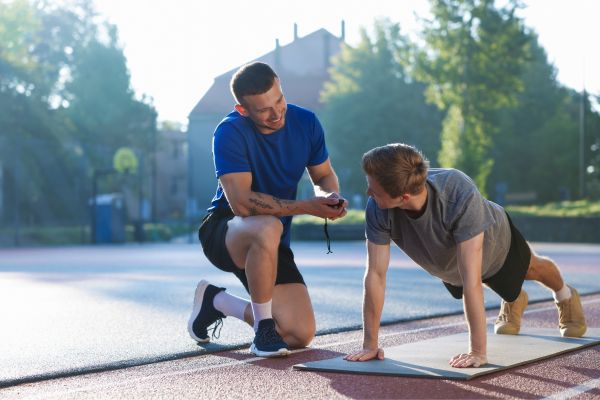
Using simple bodyweight movements—small hops, balance challenges, mini-squats—you help kids build muscles they didn’t even know they had, and they do it without the “ugh, conditioning” vibe. One fun drill is the “balance-and-reach,” where kids stand on one foot and reach to touch different targets. It feels like a game of pretend, but it builds serious stability and focus.
Another great addition is step-and-hold drills. Have them take a step, freeze, and hold their balance. They laugh, wobble, and try again. It’s silly and useful at the same time, which is basically the sweet spot for youth coaching.
These types of exercises belong in the Best youth coaching drills because they quietly build long-term athleticism that supports every part of a kid’s growth.
Teamwork Drills That Create Connection and Trust
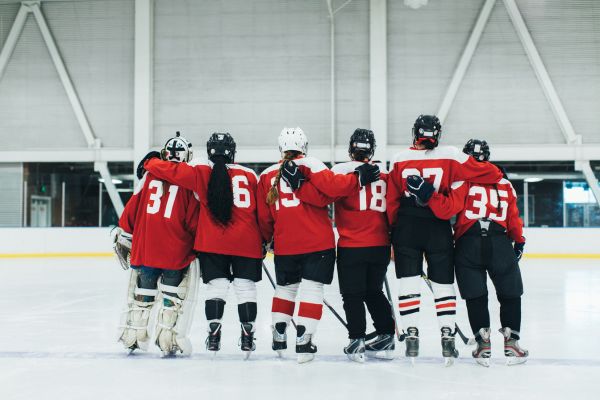
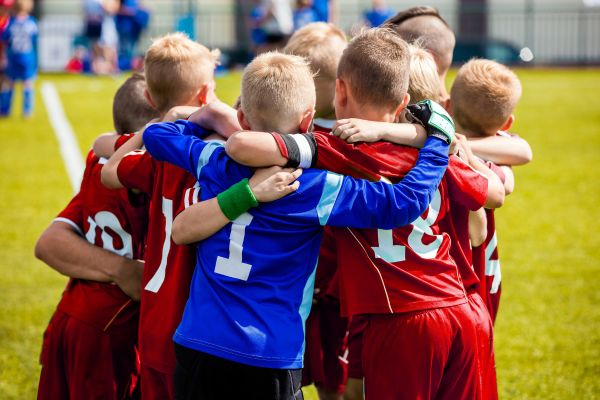
Even if you’re teaching individual skills, kids thrive when they feel part of a team. That sense of belonging motivates them. So adding teamwork drills gives them more than athletic ability—it gives them camaraderie.
One great drill involves passing or tossing the ball around a circle but adding rules—maybe calling a name before passing, or switching directions suddenly. This helps communication and awareness without making it feel too serious.
Relay-style activities are also perfect here. Honestly, kids love relays. The cheering, the excitement, the friendly competition—it sparks something special. Drills like these help kids bond in ways that last beyond one season.
Coaches who prioritize connection usually see improvements in listening, effort, and overall attitude. That’s why teamwork-based exercises are among the Best youth coaching drills—they shape more than skills; they shape character.
Turning Drills Into Games for Maximum Engagement
You’ve probably noticed by now that drills work best when they feel like games. This isn’t a coincidence. Kids naturally learn through play, and when you transform your drills into challenges, levels, or mini-competitions, everything just flows better.
For example, taking a simple dribbling or footwork drill and adding a “keep the ball away from the coach” rule instantly ramps up excitement. Or turning a passing drill into a point-based game gets kids hyped without even realizing they’re practicing fundamentals.
These playful tweaks are what make the Best youth coaching drills so effective—they invite kids into the learning process instead of forcing them through it.
Keeping Drills Fresh And Avoiding Boredom
Let’s be honest: if you run the same drills over and over, kids check out. You don’t need to reinvent your whole practice plan every week, but even small variations keep things interesting.
Changing directions, adding time goals, switching partners, or tweaking distances can transform an old drill into something that feels new again. Kids appreciate novelty. It sparks their curiosity and keeps them on their toes.
Flexibility also matters because every group is different. Some kids are naturally competitive. Others respond better to challenges framed as personal improvement. By staying observant and adjusting drills based on your players’ personalities, you keep the practice environment positive and productive.
Final Thoughts: Why Great Drills Shape Great Young Athletes
At the end of the day, the Best youth coaching drills aren’t the most complex or fancy—they’re the ones that connect, teach, and inspire. They help kids fall in love with sports, build confidence, and enjoy movement. And honestly, that’s the real win.
Good coaching isn’t about perfection. It’s about creating moments where kids feel proud, excited, and ready to try again. When your drills bring that energy, you’re not just coaching skills—you’re shaping the way young athletes see themselves.
So mix things up, keep it fun, and don’t stress about being perfect. Kids don’t need a perfect coach. They need one who cares, pays attention, and brings drills that make practice unforgettable. And if you focus on that, everything else falls into place.