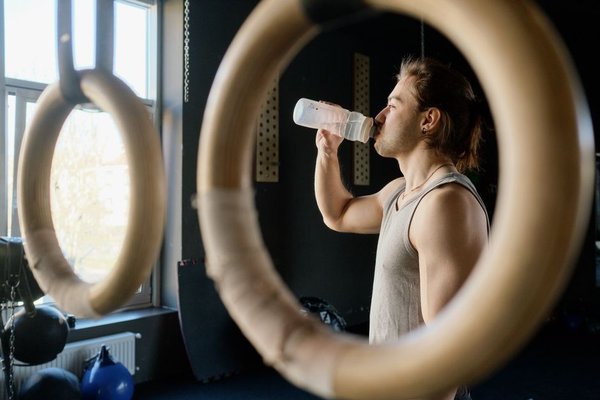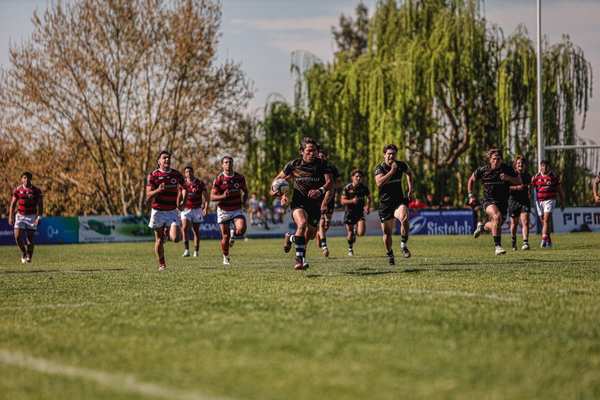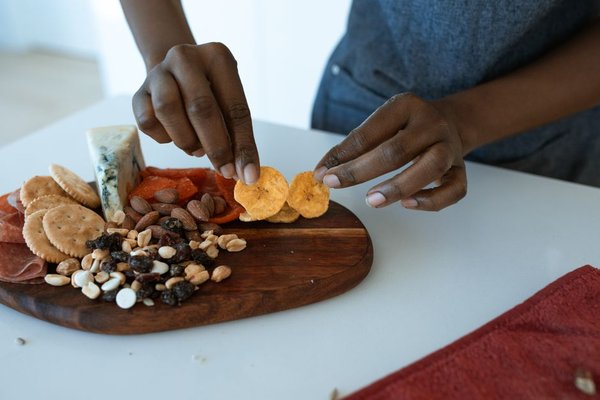
The best healthy snacks for athletes are not necessarily marketed as “performance food.” Often, they are familiar foods chosen for the right moment: a banana before practice, easy-to-digest carbohydrates during a long ride, or yoghurt and cereal after training. Match what you eat to how soon you will move, how long you will exercise, and when your next meal is coming.
Use these athlete snack ideas flexibly. Training intensity, appetite and food tolerances matter. A short gym session calls for different fuel than an afternoon of football drills or a two-hour run.
Choose a Snack Based on Your Training Window
Carbohydrates are useful for fueling exercise, while protein helps the body repair and adapt afterward. Fat and fibre contribute to a balanced diet but can make a snack sit heavily just before hard activity. Timing matters as much as ingredients.
Several hours before training, a substantial meal may be better than a small snack. If you are heading out soon, choose something simple. During long sessions, prioritize practical fuel; afterward, think about recovery and your next meal.
Healthy Pre-Workout Snacks That Feel Light
One to Two Hours Before Exercise
With digestion time, combine carbohydrate with some protein. Try toast with peanut butter and banana, Greek yoghurt with fruit, or a small bowl of oats made with milk. A turkey sandwich or rice cakes with cottage cheese can work too, depending on your comfort with food before activity.
These pre workout snacks are handy between school or work and practice. Match portions to the session: a relaxed 30-minute workout rarely requires the same extra fuel as demanding team training.
Fifteen to Thirty Minutes Before Exercise
When the warm-up is close, simplicity wins. A ripe banana, crackers, applesauce pouch or small handful of pretzels offers accessible carbohydrate without much food volume. Choose foods your stomach handles well, and avoid testing unfamiliar snacks before competitions.
Some athletes train comfortably after an ordinary meal and need no extra snack. Hunger and time since your last meal should guide you.
What to Eat During Training
Most shorter workouts do not require food midway through; water may be enough. As exercise gets longer or more intense, carbohydrate during the session can sustain performance. For many prolonged sessions lasting beyond roughly 60–90 minutes, athletes may use around 30–60 grams of carbohydrate per hour, adjusted for effort, tolerance and individual guidance.
Portable Fuel for Longer Sessions
For a lengthy cycle, run or tournament day, options include a banana, raisins, dates, a low-fibre cereal bar, sports chews or a sports drink. Check labels because carbohydrate amounts differ. A bar loaded with nuts and fibre may be satisfying between meals but difficult to digest while running.
Sports drinks and gels are convenience products, not requirements for everyone. They help when carrying or chewing regular food is impractical. In heat or heavy sweating, plan fluids appropriately and consider electrolyte needs rather than assuming a snack covers hydration.
Recovery Snacks After Exercise
After training, carbohydrate plus protein is dependable. Carbohydrate helps replace used fuel stores; protein supports muscle repair. You need not race against a strict minute-by-minute deadline, but eating soon is useful when your next meal is far away or another session is scheduled later.
Simple Food-First Pairings
Chocolate milk and a banana, yoghurt with granola, a hummus wrap, or eggs on toast make practical recovery snacks. For a dairy-free option, try fortified soy yoghurt with fruit and cereal, or a bean-and-rice wrap. Choose a portion that fits your hunger and training load, then eat a balanced meal later if the snack is small.
Protein powders are optional rather than automatically better. Everyday foods supply protein, carbohydrates, vitamins and minerals. Athletes with high workloads or complicated schedules may benefit from a sports dietitian’s advice.
Snack Ideas for School, Work and Travel
A useful plan must work when practice starts after a long day. Build a supply of portable sports food around three needs: quick carbohydrate fuel, a filling between-meal option, and a recovery pairing you can eat without cooking.
Without a Fridge
Pack whole fruit, crackers, pretzels, dried fruit, shelf-stable milk, roasted chickpeas or nut-butter packets where permitted. A peanut butter sandwich travels well for a limited period. Check allergy policies in schools and team spaces; not every packaged “protein” product suits exercise immediately afterward.
With a Cooler or Refrigerator
Try yoghurt cups, cheese and crackers, hard-boiled eggs, hummus with pita, or a chicken-and-rice wrap. Use an insulated bag with ice packs for perishable foods, especially on hot days.
Imagine a student athlete finishing classes at 3 p.m., starting training at 4 p.m. and getting home at 7 p.m. A banana and pretzels before practice provide easy fuel. If the session warrants carbohydrate during activity, a planned drink or portable snack may help. Afterward, yoghurt and cereal from a chilled bag can bridge the gap until dinner. Simple preparation often beats an expensive supplement.
Make Snacks Work for Your Sport and Appetite
Strength athletes may want a carbohydrate-and-protein snack after lifting, while endurance athletes often need more carbohydrate before and during long efforts. Younger athletes should eat enough for growth and activity rather than copying restrictive adult fitness diets.
Do not judge a snack only by its sugar content. Sweet food can provide quick fuel during prolonged exercise, while fruit, whole grains, nuts and dairy or fortified alternatives contribute nutrients at other times. For the bigger picture, see our sports nutrition meal planning guide. For training-day drinks, explore hydration for athletes.
Frequently Asked Questions
What is the healthiest snack before a workout?
There is no single winner. A banana, toast or yoghurt with fruit can work, depending on how long you have before exercise. Closer to training, smaller, lower-fibre carbohydrate choices are often easier to tolerate.
Do athletes need to snack during every workout?
No. Many sessions under an hour need no food during exercise. Longer or demanding endurance sessions are more likely to benefit from planned carbohydrate intake, based on duration and intensity.
What is a good recovery snack without protein powder?
Try milk and fruit, eggs on toast, yoghurt with cereal or a bean wrap. These provide protein and other nutrients, and some supply carbohydrate to replenish energy stores.
Are homemade snacks better than sports bars?
Not automatically. Homemade food can be affordable and satisfying, while sports bars can be convenient during travel or long training. Compare digestibility, ingredients, food safety and the carbohydrate or protein you need.
Keep Your Fueling Plan Practical
Healthy snacks for athletes work best when they solve a problem: hunger before practice, limited fuel during a long session or a gap between training and dinner. Keep dependable options on hand, practise eating them during ordinary sessions, and adjust for your sport and schedule. Consistency matters more than finding a perfect snack.