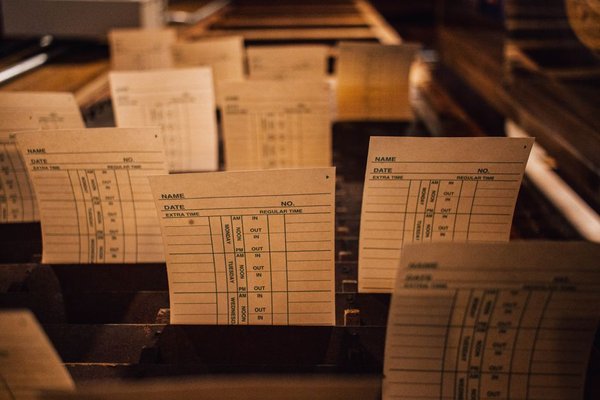
Keeping score by hand turns a baseball game into something you actively follow rather than simply watch. A paper scorecard records who reached base, how each out happened, when runs scored, and how the lineup moved through the innings. You do not need to be an official scorer or memorize every rare notation before you begin. With a pencil, a scorecard, and a few standard conventions, you can keep a useful record from your seat and still enjoy the game.
Start With the Lineups and Position Numbers
Before the first pitch, write each team’s batting order down the left side of its scorecard. Most scorecards provide a row for each hitter and columns for successive innings. Add the defensive position beside each player when you know it. The standard position numbers in baseball are: pitcher 1, catcher 2, first base 3, second base 4, third base 5, shortstop 6, left field 7, center field 8, and right field 9.
These numbers make defensive plays quick to record. A ground ball fielded by the shortstop and thrown to first for an out becomes 6-3. A double play from shortstop to second to first can be written 6-4-3. Once the numbering feels familiar, a crowded play can be captured in just a few marks.
Learn the Core Baseball Scorekeeping Symbols
You can keep a readable scorecard with a small set of abbreviations. Write 1B for a single, 2B for a double, 3B for a triple, and HR for a home run. BB commonly means a walk, while HBP means hit by pitch. K is standard for a strikeout; many scorers use a backward K for a called third strike, although that distinction is optional for a casual scorecard.
For outs in the field, use defensive position numbers in the order the ball was handled. A fly ball to center field can be F8, a lineout to third L5, and a groundout from second baseman to first 4-3. If you are learning how to keep a baseball scorecard, consistency matters more than copying every possible traditional symbol.
How to Show a Runner Moving Around the Bases
Most scorecard boxes contain a small diamond. When a batter reaches base, mark the path from home toward the base reached. As that runner advances, continue the path around the diamond. When the runner scores, complete the route to home and shade or mark the diamond according to your preferred system.
It also helps to note why a runner advanced. If a runner goes from first to third on the next batter’s single, you can mark that connection beside the advance. This creates a compact story of the inning instead of leaving you with isolated hits and outs.
Use One Plate Appearance at a Time
The easiest way to avoid falling behind is to finish one plate appearance before worrying about totals. When the batter’s turn ends, record the result in that hitter’s box for the current inning. Then shift to the next batter. If runners moved during the play, update their diamonds before the next pitch when possible.
Imagine the leadoff hitter singles, the second batter walks, and the third grounds to shortstop for a 6-4 force at second while reaching first. Mark 1B for the first hitter, BB for the second, and FC for the third batter’s fielder’s choice. Show the second runner out at second. That sequence illustrates why scoring a game is about recording both the outcome and how runners moved.
Track Outs, Runs, and the End of Each Inning
Keep a visible count of outs. Many scorecards use small circles or numbered marks to identify the first, second, and third outs. Once the third out is made, draw a line after the final batter’s box or otherwise mark where the inning ended. This is especially useful if the lineup bats around.
At the end of the half-inning, count the runs and compare them with the stadium scoreboard. That quick check can reveal a missed runner or incorrectly marked advance. You can total hits and errors too, but do not let bookkeeping prevent you from following the next inning.
Handling Substitutions and Unusual Plays
When a pinch hitter, pinch runner, or defensive replacement enters, write the new player’s name in the same batting-order slot and note the inning of the change. If a relief pitcher enters, record the change in the pitching section if your card has one.
Errors are usually marked E plus the fielder’s position number, such as E6 for an error charged to the shortstop. A sacrifice fly can be SF, a sacrifice bunt SH or SAC, a stolen base SB, and caught stealing CS. If a rare play leaves you unsure, make a brief note in the margin rather than inventing an official-looking symbol.
A Simple Ballpark Routine That Keeps You From Falling Behind
Arrive early enough to fill in the starting lineups. During busy plays, record the batter’s result first, then update runners. If you miss something, leave a small question mark and reconstruct it during the next pause instead of guessing.
For your first few games, keep the system simple: record how each batter reached or was retired, runner advances, outs, runs, and substitutions. Ignore pitch counts and advanced details until the basic rhythm feels automatic. After a few innings, the marks begin to read like shorthand. Related topics such as ballpark traditions, fan rituals, and how baseball innings work also make natural next reads for anyone learning the game from the stands.
Frequently Asked Questions
What do the numbers 1 through 9 mean on a baseball scorecard?
They identify defensive positions: 1 pitcher, 2 catcher, 3 first base, 4 second base, 5 third base, 6 shortstop, 7 left field, 8 center field, and 9 right field. They show which fielders handled the ball on a play.
What does 6-3 mean in baseball scorekeeping?
It means the shortstop, position 6, fielded the ball and threw to the first baseman, position 3, for an out. The numbers follow the sequence of fielders involved.
Do I need to record every pitch?
No. A fan scorecard can focus on plate-appearance results, outs, baserunner movement, runs, and substitutions. Some detailed scorebooks track pitches, but that is optional.
What should I do if I miss a play?
Mark the spot and use the stadium scoreboard, public-address announcement, or the next break in action to reconstruct it. If some detail remains unclear, record the outcome you know rather than guessing at a fielding sequence.
Keep the Card Useful, Not Perfect
Learning how to keep a baseball scorecard is easier when you treat it as a practical record rather than a test. Start with the lineup, position numbers, basic baseball scorekeeping symbols, and a clear way to follow runners around the diamond. Check your work at the end of each half-inning and add detail as your confidence grows. By the final out, you will have more than a list of statistics: a handwritten map of how the game unfolded from your seat.