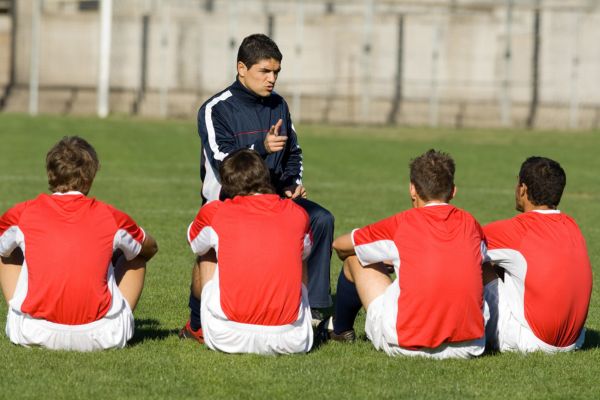
Coaching looks simple from the outside. A person stands at the edge of a field, court, gym, classroom, or training space and tells others what to do. But anyone who has actually tried coaching knows it is much more layered than that. It is part teaching, part listening, part leadership, and part patience. The early days can feel exciting, but they can also be messy. New coaches often come in with good intentions, strong energy, and a genuine desire to help. Still, good intentions do not automatically create good coaching.
Understanding beginner coaching mistakes to avoid can make the difference between a group that feels motivated and one that feels confused, pressured, or overlooked. Coaching is not about proving how much you know. It is about helping others grow in a way they can understand, trust, and apply. That takes time, awareness, and a willingness to keep learning.
Trying to Coach Everyone the Same Way
One of the most common mistakes new coaches make is assuming one method works for everyone. It is easy to prepare a plan and expect every athlete, student, or client to respond in the same way. But people learn differently. Some need clear demonstrations. Some need quiet encouragement. Others need repeated practice before something finally clicks.
A beginner coach may feel frustrated when one person improves quickly while another struggles with the same instruction. The problem is not always effort. Sometimes the message simply has not landed in the right way. Good coaching requires adjustment. It means watching body language, listening to questions, and noticing when a person is trying but still not understanding.
The best coaches do not abandon structure, but they do stay flexible. They learn to explain the same idea in more than one way. That small shift can turn confusion into progress.
Talking Too Much and Listening Too Little
Many new coaches feel pressure to fill every silence with instruction. They want to sound useful, confident, and prepared. So they talk. Then they talk more. Before long, the person being coached has heard ten corrections but remembers only one, or maybe none at all.
Coaching is not a lecture. It is a conversation, even when the coach is clearly leading. Listening helps reveal what the athlete or learner actually needs. Maybe they are nervous. Maybe they misunderstood the goal. Maybe they already know the mistake but do not know how to fix it.
A good pause can be more powerful than another sentence. Asking simple questions like “What did that feel like?” or “Where do you think it went wrong?” gives people a chance to think. It also teaches ownership, which is one of the quiet foundations of long-term improvement.
Focusing Only on Mistakes
Beginners often notice what is wrong first. That is natural. Coaching involves correction, and problems usually stand out. But if every comment is about what failed, the environment can quickly feel negative. People may start playing, practicing, or performing with fear instead of freedom.
Correction matters, of course. Ignoring mistakes does not help anyone improve. The key is balance. A coach should be able to point out what needs work while also recognizing what is improving. Even small progress deserves attention because it tells the learner what to repeat.
Positive feedback does not mean empty praise. It should be specific and honest. Saying “Your footwork was sharper that time” is more useful than a vague “Good job.” It shows the person exactly what worked, and that builds confidence without creating false comfort.
Expecting Instant Results
New coaches sometimes underestimate how slow real progress can be. They introduce a drill, explain a technique, or set a goal, then expect improvement almost immediately. When that does not happen, they may change the plan too quickly or become impatient.
Growth usually does not move in a straight line. Some days look promising. Other days feel like a step backward. Skills need repetition. Confidence needs time. Trust between coach and learner does not appear after one session.
Patience is not passive. It does not mean lowering standards. It means understanding that development is a process. A beginner coach who learns to stay steady during slow progress will usually get better results than one who constantly changes direction out of frustration.
Making the Session About the Coach
This mistake can be subtle. A new coach may want to prove they belong in the role. They may talk about their own experience too often, demonstrate every skill themselves, or measure success by how impressive their session looks. Without meaning to, they become the center of attention.
But coaching is not performance. The focus should stay on the people being coached. Their understanding, effort, confidence, and progress matter more than the coach appearing knowledgeable. Experience can be useful, but only when it serves the learner.
A coach does not need to be the loudest or most impressive person in the room. Often, the best coaching happens when the coach steps back just enough for others to take responsibility.
Giving Too Many Instructions at Once
A beginner coach may see several things that need fixing and try to correct them all at the same time. The intention is helpful, but the result is usually overload. People cannot adjust everything at once, especially when they are still learning the basics.
Clear coaching often means choosing one priority. If a player is working on shooting technique, balance may come before speed. If a new runner is learning form, posture may come before pace. If someone is developing communication skills, clarity may come before confidence.
Simple instruction is not basic in a bad way. It is focused. When people know exactly what to work on, they are more likely to improve. Once that piece becomes stronger, the coach can add the next layer.
Ignoring the Emotional Side of Coaching
Skills are visible. Emotions are not always as obvious. A coach may notice poor timing, weak technique, or lack of focus, but miss the anxiety underneath. Beginners sometimes treat performance as purely physical or technical, forgetting that people bring moods, fears, doubts, and outside stress into the coaching space.
This does not mean a coach has to become a therapist. It simply means emotional awareness matters. A person who feels embarrassed may stop taking risks. Someone who feels constantly judged may become defensive. A learner who feels safe, respected, and seen is more likely to try again after failing.
Coaching requires standards, but it also requires humanity. The tone of correction, the timing of feedback, and the way mistakes are handled all shape the learning environment.
Copying Another Coach Without Understanding Why
New coaches often copy methods from people they admire. That can be useful at first. Watching experienced coaches is one of the best ways to learn. The problem begins when a beginner copies style without understanding purpose.
A famous coach may be intense because their athletes are advanced and used to that environment. Another coach may use certain drills because they fit a specific age group or skill level. What works in one setting may not work in another.
Instead of copying blindly, beginner coaches should ask why something works. What problem does the drill solve? What kind of group is it designed for? What response does the communication style create? Understanding the reason behind a method helps a coach adapt it wisely.
Forgetting to Set Clear Expectations
Confusion often appears when expectations are unclear. People need to know what the session is about, what behavior is expected, and what progress should look like. Without that structure, even a well-planned session can feel scattered.
New coaches sometimes avoid setting expectations because they do not want to sound strict. But clarity is not the same as harshness. It can actually make people feel more comfortable. When everyone understands the goal and the boundaries, there is less guessing.
Clear expectations also make feedback easier. If the group knows the focus is teamwork, effort, or a specific skill, the coach can connect comments back to that goal. This keeps the session purposeful instead of random.
Neglecting Their Own Reflection
Coaches ask others to improve, but they must also examine themselves. A beginner coach who never reflects will repeat the same habits without noticing them. Reflection does not need to be complicated. After a session, a coach can ask simple questions. What worked today? Where did people seem confused? Did I talk too much? Did the session match the goal?
This habit builds awareness. Over time, it helps a coach develop their own style instead of simply reacting from session to session. The coaches who grow fastest are not always the ones who know the most at the beginning. They are the ones willing to notice, adjust, and keep learning.
Conclusion
Coaching is built through experience, not perfection. Every coach makes mistakes, especially in the beginning. The important thing is not to avoid every misstep completely, because that is unrealistic. The real goal is to recognize beginner coaching mistakes to avoid before they become habits.
Good coaching starts with attention. Attention to the people being coached, to the way instructions are given, to the emotional climate, and to the pace of progress. It asks for patience when results are slow and humility when something does not work. A beginner coach who stays curious, listens carefully, and keeps the focus on genuine development is already moving in the right direction. In the end, coaching is not just about shaping performance. It is about helping people believe they can grow, one honest step at a time.