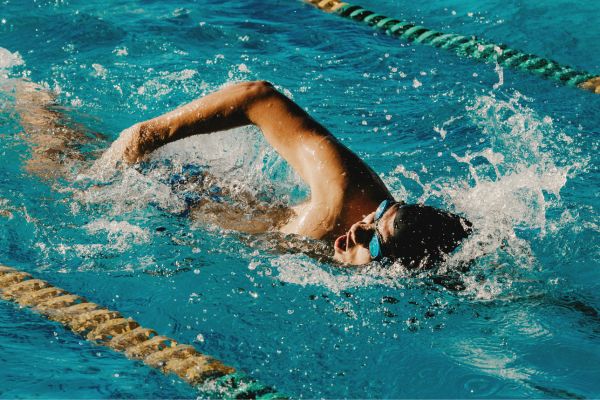
Swimming often has a reputation for being one of the gentlest sports on the body. There is no pounding pavement, no sudden tackles, and no hard landing after a jump. The water supports the body, softens movement, and gives swimmers a sense of freedom that few other activities can match. That is part of what makes swimming so appealing for children, adults, competitive athletes, and older beginners alike.
Still, gentle does not mean risk-free. Swimming places repeated stress on the shoulders, neck, back, hips, and knees, especially when technique slips or training increases too quickly. A casual swimmer may feel a stiff neck after a few laps. A competitive swimmer may deal with shoulder pain from thousands of strokes each week. Someone returning after a long break may push too hard because the water feels easy at first, only to feel the soreness later.
That is why swimming injury prevention matters at every level. Whether you swim for fitness, competition, recovery, or simple enjoyment, small habits can make a big difference in how your body feels in and out of the pool.
Understanding Why Swimming Injuries Happen
Most swimming injuries are not sudden accidents. They usually build slowly. A shoulder that feels a little tight after practice becomes sore during freestyle. A mild lower back ache starts showing up after butterfly. A knee twinge appears during breaststroke and keeps returning.
This gradual pattern happens because swimming is repetitive. One lap may not seem like much, but a full workout can involve hundreds or even thousands of repeated movements. If the body is moving well, that repetition can build endurance and strength. If the body is moving poorly, the same repetition can irritate muscles, tendons, and joints.
The most common problem areas are the shoulders, lower back, neck, and knees. Shoulder pain is especially common because the arms do so much work in strokes like freestyle, backstroke, and butterfly. The shoulder joint is highly mobile, which is useful in the water, but that mobility also means it needs strong support from the surrounding muscles.
Poor technique, weak core control, limited flexibility, rushed warm-ups, and sudden increases in training volume can all raise injury risk. The good news is that most of these factors can be improved with awareness and consistency.
Start with a Proper Warm-Up
A good swim should not begin with the hardest set of the day. Even though the water may feel inviting, the body still needs time to prepare. Cold or stiff muscles do not move as smoothly, and joints may feel less stable when they are suddenly asked to perform at full effort.
A proper warm-up begins before entering the pool. Gentle arm circles, shoulder rolls, hip movements, light stretching, and easy bodyweight exercises can help wake up the muscles. The goal is not to exhaust yourself. It is simply to increase blood flow and remind the body that movement is coming.
Once in the water, the first few laps should feel relaxed. Easy freestyle, backstroke, or gentle kicking gives the body time to settle into rhythm. Swimmers often skip this step when they are short on time, but it is one of the simplest swimming injury prevention habits. A slow start can save the body from unnecessary strain later in the session.
Respect Technique More Than Speed
Speed is exciting. It is satisfying to finish a lap faster than last week or keep up with someone in the next lane. But in swimming, speed built on poor technique usually comes at a cost.
Good technique helps distribute effort across the body. Instead of forcing the shoulders to do everything, efficient swimming uses the core, hips, legs, and breathing rhythm together. When technique breaks down, certain areas begin to work too hard. The shoulders may overreach. The neck may twist awkwardly for air. The lower back may arch too much. Over time, these small errors can become painful.
Freestyle swimmers should pay attention to body rotation, relaxed recovery, and smooth breathing. Backstroke swimmers need control through the hips and shoulders. Breaststroke swimmers should be careful with knee position and avoid forcing the kick. Butterfly swimmers should build the stroke gradually because it places high demand on the shoulders and spine.
Even experienced swimmers benefit from occasional technique checks. Sometimes the body changes, training changes, or old habits return without notice. Swimming well is not only about moving faster. It is about moving in a way the body can repeat safely.
Build Shoulder Strength and Stability
The shoulder is often the first place swimmers feel trouble. This makes sense. Every stroke asks the shoulder to move through a wide range of motion, again and again. Without enough strength and control, the joint may become irritated.
Shoulder care should not only happen after pain begins. It should be part of regular training. Strengthening the muscles around the shoulder blades, upper back, and rotator cuff helps support the joint during swimming. Simple resistance band exercises, controlled rows, external rotations, and scapular stability work can be helpful when performed correctly.
Posture also matters. Many swimmers develop tight chest muscles and rounded shoulders, especially if they also spend long hours sitting at a desk or looking at a phone. This posture can affect how the shoulder moves in the water. Gentle chest stretches and upper-back strengthening can help restore balance.
The key is control, not heavy lifting. Swimmers need shoulders that are strong, stable, and able to move smoothly. For injury prevention, quality always matters more than showing off in the gym.
Do Not Ignore Core and Hip Strength
Swimming may look like an upper-body sport, but the core quietly does a lot of the work. A strong core helps keep the body aligned in the water. It supports rotation, controls kicking, and reduces strain on the lower back.
When the core is weak or tired, swimmers may compensate in other ways. The lower back may arch. The hips may drop. The legs may kick harder than necessary. These changes create drag and make the body work harder than it should.
Hip strength is just as important. The hips help drive rotation in freestyle and backstroke, support kicking patterns, and keep movement coordinated. Tight or weak hips can affect stroke mechanics and increase stress on the knees or back.
Dryland training does not need to be complicated. Planks, side planks, glute bridges, bird dogs, and controlled mobility work can support better swimming. The goal is not to build a bulky body. It is to create a body that stays organized when fatigue sets in.
Increase Training Gradually
One of the easiest ways to get injured is to do too much too soon. This happens to beginners who suddenly swim every day, former athletes who try to restart at their old level, and competitive swimmers who add extra yardage without enough recovery.
The water can be misleading. Because swimming is low-impact, people often feel they can push longer than they should. The muscles and tendons, however, still need time to adapt. A workout that feels manageable during the session may leave the shoulders or back sore the next day.
A gradual increase in distance, intensity, or frequency gives the body time to adjust. It is better to build steadily than to rush for quick progress and lose weeks to pain. Rest days are not wasted days. They are part of training.
This is especially important for young swimmers. Growing bodies need careful workload management. Coaches and parents should watch for signs of fatigue, changes in technique, or complaints of recurring soreness. Young athletes may not always know when to slow down, so adults need to pay attention.
Learn to Breathe Without Straining the Neck
Breathing is one of the most overlooked parts of swimming injury prevention. In freestyle, many swimmers lift or twist the head too much when taking a breath. This small movement, repeated lap after lap, can lead to neck tightness and even shoulder discomfort.
Good breathing should feel connected to body rotation. Instead of yanking the head upward, the swimmer turns with the body and keeps one side of the face close to the water. The movement should be calm, not rushed.
Bilateral breathing can help some swimmers balance movement on both sides, though it does not need to be forced in every situation. What matters most is avoiding the habit of always straining the same side of the neck.
A relaxed breathing rhythm also helps reduce overall tension. When swimmers hold their breath too long or panic for air, the body tightens. Tight swimming is rarely efficient, and it is rarely kind to the joints.
Use Recovery as Part of the Routine
Recovery is not only for injured swimmers. It is what allows healthy swimmers to stay healthy. Muscles need time to repair after training. Joints need a break from repeated stress. The nervous system needs rest too, even if that sounds less obvious.
Good recovery includes enough sleep, hydration, balanced nutrition, and lighter training days. Gentle stretching after swimming may help with tightness, especially in the shoulders, chest, hips, and calves. Some swimmers also benefit from foam rolling or easy mobility work, as long as it is not done aggressively.
Pain should not be treated as a normal part of progress. Mild muscle fatigue is expected after a good workout. Sharp pain, worsening soreness, swelling, weakness, or pain that changes technique should be taken seriously. Swimming through pain often turns a small issue into a larger one.
Choose the Right Equipment and Pool Habits
Equipment can support safe swimming, but it can also create problems when used carelessly. Paddles, for example, increase resistance and place more demand on the shoulders. They can be useful for experienced swimmers with good technique, but they may aggravate pain if used too much or too soon.
Kickboards can also affect posture. Holding a kickboard with the head lifted for long periods may strain the neck and lower back. Fins can help with body position and speed, but they may increase stress on the ankles or change kicking mechanics if overused.
Even simple habits matter. Slippery pool decks can cause falls, so walking instead of running is basic but important. Diving should only be done in safe, designated areas. Swimmers should also avoid training when overly tired, dizzy, or unwell.
Swimming may feel peaceful, but the pool still requires attention and respect.
Listen to Early Warning Signs
The body usually gives warnings before a real injury develops. A shoulder may feel pinchy during recovery. A knee may ache only during breaststroke. A back may tighten after every hard set. These signs are easy to dismiss, especially when they seem minor.
But early discomfort is useful information. It may mean technique needs adjustment, training volume is too high, or certain muscles need strengthening. Taking action early can prevent time away from the pool later.
Swimmers should notice patterns. Does pain appear during a specific stroke? Does it happen after long sessions? Does it improve with rest but return when training resumes? These details can help guide smarter decisions.
When pain persists, worsens, or affects daily movement, it is wise to seek guidance from a qualified professional. Getting help early is not weakness. It is often what keeps a swimmer active in the long run.
Swimming Safely at Every Skill Level
Beginners should focus on comfort, breathing, and simple technique before chasing long distances. Intermediate swimmers should balance progress with recovery and pay attention to small form issues. Advanced and competitive swimmers need structured training, strength work, and honest communication about pain or fatigue.
The details may change by skill level, but the principle stays the same: swimming should build the body, not slowly wear it down.
Injury prevention is not about being cautious to the point of fear. It is about swimming with awareness. It means warming up, moving well, building strength, resting properly, and treating pain as a signal instead of an inconvenience.
Conclusion
Swimming is one of the most rewarding ways to stay active. It can build endurance, improve coordination, support fitness, and offer a calm mental escape from the noise of daily life. But like any repeated physical activity, it asks the body to handle stress again and again.
The best approach to swimming injury prevention is not complicated. Respect your technique. Warm up before hard effort. Strengthen the shoulders, core, and hips. Increase training gradually. Recover with the same seriousness you bring to the workout itself.
A healthy swimmer is not the one who never feels tired. It is the one who knows how to listen, adjust, and keep moving well. With the right habits, swimming can remain not just a sport or exercise routine, but a lifelong activity that feels strong, smooth, and enjoyable.