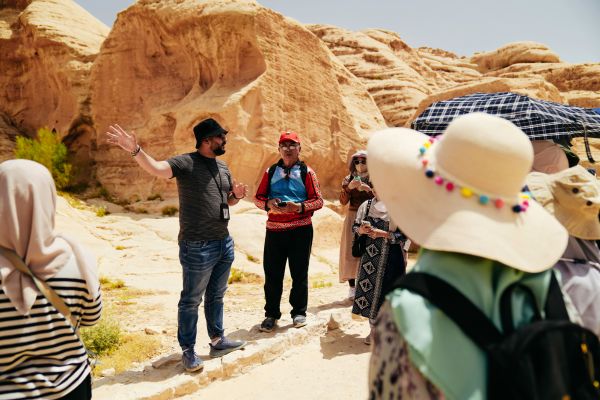
Sports stadiums have always been more than simple venues for games. They are landmarks of culture, emotion, and history. Every seat, tunnel, locker room, and field corner carries stories of legendary moments that fans remember for decades. For travelers who love sports, stepping inside these arenas can feel like entering sacred ground. That’s where stadium tour guides play an essential role.
A good stadium tour guide transforms a visit from a casual walk through concrete corridors into a vivid journey through sports history. Their stories breathe life into empty seats and quiet locker rooms, helping visitors imagine the roar of the crowd and the intensity of championship moments. For sports travelers, the right guide can turn a stadium tour into one of the most memorable parts of a trip.
The Unique Role of Stadium Tour Guides
A stadium may look impressive on its own, but its deeper meaning often lies hidden in stories and traditions that outsiders would never notice. Stadium tour guides bridge that gap between the physical structure and its emotional legacy.
These guides are part storyteller, part historian, and sometimes even part comedian. They guide visitors through areas usually reserved for athletes and staff, such as press rooms, locker rooms, and player tunnels. Along the way, they share anecdotes about unforgettable games, legendary players, and moments when history unfolded on the field.
Many experienced stadium tour guides have deep connections to the venue itself. Some have worked there for years, while others grew up as lifelong fans of the team that calls the stadium home. Their enthusiasm tends to be contagious. Even visitors who are not dedicated sports fans often leave feeling caught up in the excitement.
Behind the Scenes: What Stadium Tours Reveal
One of the biggest appeals of stadium tours is access to areas that spectators normally never see. Sitting in the stands during a game provides one perspective, but a guided tour opens doors to an entirely different world.
Visitors often walk through the same corridors athletes use on game day. Standing inside a locker room can make the atmosphere of competition suddenly feel real. The player tunnel, usually quiet during tours, carries a special energy when guides describe the moment teams run out onto the field to a thunderous crowd.
Press boxes offer another interesting perspective. From these high vantage points, visitors can see how sports journalists and commentators observe the game. Guides often explain how broadcasters prepare for matches, sometimes sharing amusing behind-the-scenes stories about famous commentators or unexpected game-day mishaps.
Stadium tour guides also highlight architectural details that might go unnoticed. Some venues contain tributes to past champions, statues of legendary athletes, or preserved sections of older stadiums that once stood on the same ground. These elements help visitors understand how sports traditions evolve over time.
How Guides Bring Sports History to Life
Without context, a stadium might simply feel like a large building with rows of seats. What makes the experience memorable is the way guides connect physical spaces to real events.
For example, a guide might stop beside a particular section of seating and describe the moment a record-breaking home run landed there. Or they might point to a patch of turf and recount the final play of a championship game that still lives in fans’ memories.
These storytelling moments are often the highlight of a stadium tour. Visitors begin to visualize what happened in those exact spots years earlier. The empty arena suddenly fills with imagined cheers, tension, and celebration.
Stadium tour guides also share lesser-known details. They might reveal superstitions players followed before games, unusual rituals teams developed over the years, or odd events that occurred during major matches. These smaller stories make the experience feel personal rather than scripted.
The Growing Popularity of Sports Tourism
In recent years, sports tourism has grown into a major travel trend. Many travelers plan trips specifically to visit famous stadiums, even outside of game days. For them, a guided stadium tour offers a way to connect with the spirit of a place that has shaped sports culture.
Some stadiums have become attractions in their own right. Iconic arenas attract visitors from around the world, not only because of the teams that play there but also because of the architectural design and historical significance of the venue.
Stadium tour guides often adapt their storytelling for international audiences. They understand that visitors may not know the team’s full history or the local rivalries that shaped its identity. A skilled guide balances detailed knowledge with accessible explanations so that every visitor can appreciate the experience.
The Human Side of the Tour Experience
While the stadium itself is impressive, the guide’s personality often determines how memorable the tour becomes. Some guides rely on humor, sharing lighthearted anecdotes that make visitors laugh while learning about the venue. Others focus on dramatic storytelling, recreating famous sports moments with vivid detail.
Visitors tend to remember guides who show genuine passion for the sport. When someone talks about a historic game with excitement, it becomes easier for the audience to feel that same energy.
Many stadium tour guides also enjoy interacting with guests. They answer questions, encourage discussions about favorite teams, and sometimes invite visitors to imagine themselves as athletes walking onto the field. These small interactions create a relaxed atmosphere that feels more like a shared experience than a formal tour.
Stadium Design and the Stories It Holds
Every stadium has its own architectural personality. Some venues are modern marvels with retractable roofs and advanced technology. Others preserve classic designs that reflect decades of sporting tradition.
Stadium tour guides often explain why certain design choices were made. They might describe how seating angles improve visibility or how acoustics amplify crowd noise. These details reveal how stadium architecture is carefully crafted to enhance the spectator experience.
Older stadiums sometimes contain hidden features from previous eras. A guide may point out a preserved brick wall from the original structure or a commemorative plaque marking a historic moment. These elements remind visitors that stadiums are living landmarks, evolving over time while preserving their past.
Preparing for a Stadium Tour
For travelers interested in stadium tours, a little preparation can make the experience more rewarding. Reading about the team’s history beforehand can help visitors appreciate the stories guides share during the tour.
Arriving with curiosity also helps. Guides often enjoy questions about memorable games, famous athletes, or unusual stadium traditions. A simple question can sometimes lead to an unexpected story that is not part of the standard tour script.
Visitors should also take time to observe the surroundings. Stadiums often include museums, trophy displays, or interactive exhibits that complement the guided experience. Exploring these areas before or after the tour can provide additional insight into the venue’s history.
The Lasting Appeal of Stadium Tours
Sports stadiums hold a special kind of magic. Even when empty, they carry echoes of dramatic victories, heartbreaking losses, and unforgettable celebrations. Stadium tour guides help visitors connect with that emotional legacy.
For sports travelers, these tours offer something unique. They provide access to hidden corners of famous venues and reveal the stories that shaped them. Through the voice of a knowledgeable guide, the stadium becomes more than a structure—it becomes a stage where history continues to unfold.
Conclusion
A visit to a sports stadium can be memorable on its own, but the presence of knowledgeable stadium tour guides transforms the experience into something far richer. Their stories, insights, and enthusiasm turn quiet hallways and empty fields into living chapters of sports history.
For travelers who appreciate the cultural and emotional side of sports, stadium tours offer a rare chance to step behind the scenes and see where legendary moments once took place. Long after the tour ends, the stories shared by a passionate guide often linger in memory, reminding visitors that every stadium holds far more than seats and scoreboards—it holds the spirit of the game itself.