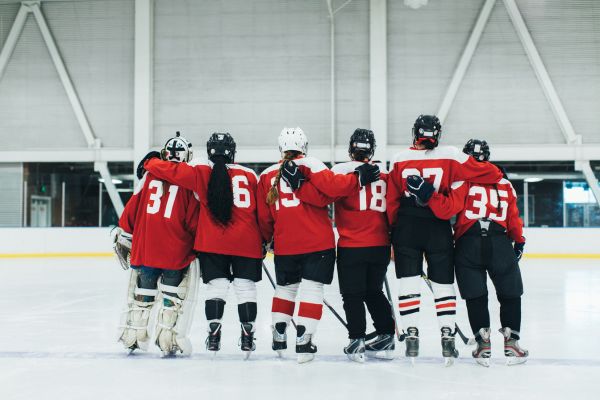
The growth of women’s sports leagues is no longer a future-facing promise or a hopeful trend tucked into the margins of the sports world. It is happening now, in packed arenas, sold-out broadcasts, and conversations that stretch far beyond the final whistle. What was once framed as a “developing market” has become a cultural shift, reshaping how fans, athletes, and institutions understand competition, visibility, and value.
This expansion didn’t arrive overnight. It is the result of decades of persistence, uneven progress, and moments of breakthrough that forced the wider sports ecosystem to pay attention. Today, women’s leagues are not simply growing in size or revenue. They are growing in confidence, influence, and cultural relevance.
A Long Road Toward Visibility
For much of modern sports history, women’s leagues existed in a strange paradox. Elite athletes competed at the highest levels, yet their achievements rarely translated into sustained media coverage or public recognition. Games were played, records were set, and championships were won, often with little acknowledgment beyond dedicated local communities.
The lack of visibility created a self-reinforcing cycle. Fewer broadcasts led to smaller audiences, which then justified limited investment. Talent was never the missing ingredient. Infrastructure and attention were.
Breaking that cycle required more than patience. It took landmark moments when audiences were finally given the chance to watch and connect. Global tournaments, viral highlights, and standout personalities slowly shifted perceptions. Each time a women’s league received meaningful exposure, the response was clear: people were watching because the product was compelling.
Media Coverage and the Power of Access
One of the most important drivers behind the growth of women’s sports leagues has been improved media access. Streaming platforms, social media, and direct-to-consumer broadcasts changed the rules. Leagues no longer had to wait for traditional gatekeepers to deem them “worthy” of airtime.
Fans found games through apps, clips through social feeds, and stories through athlete-driven content. This accessibility humanized players and invited audiences into their journeys. Instead of distant figures, athletes became relatable, opinionated, and visible in everyday digital spaces.
As viewership data began to tell a different story, mainstream broadcasters followed. Increased coverage wasn’t an act of charity. It was a response to demand that could no longer be ignored.
Investment That Reflects Belief, Not Charity
Financial investment has historically been framed as a risk when it comes to women’s leagues. That narrative is slowly fading. Owners, sponsors, and governing bodies are beginning to understand that sustainable growth requires long-term belief rather than short-term proof.
New leagues have launched with clearer visions, better player support, and more intentional branding. Existing leagues have expanded teams, raised salary floors, and improved travel and training conditions. These changes matter not just symbolically but practically, allowing athletes to focus on performance rather than survival.
Importantly, investment is becoming more sophisticated. Instead of mimicking men’s leagues, women’s leagues are shaping identities that reflect their own audiences and values. That autonomy has helped build loyalty rather than imitation.
Athletes as Cultural Leaders
Women athletes today are not confined to the role of competitor. Many are vocal advocates, entrepreneurs, and cultural commentators. Their willingness to speak openly about equity, mental health, identity, and representation has broadened the appeal of women’s leagues beyond traditional sports fans.
This visibility comes with pressure, but it also builds trust. Fans feel connected to athletes who show up as whole people rather than distant stars. That connection translates into stronger attendance, engagement, and long-term interest.
The growth of women’s sports leagues is inseparable from this cultural leadership. Athletes are not waiting for institutions to define their worth. They are actively shaping the narrative around their sports.
Youth Pathways and the Next Generation
Another key factor driving growth is the strengthening of youth and development pathways. When young athletes can see clear professional opportunities, participation rises. Girls who once viewed sports as a temporary phase now see viable futures that extend beyond adolescence.
Grassroots programs, collegiate competition, and international pipelines are more interconnected than ever. This continuity improves the quality of play at the professional level while also deepening fan engagement. Parents, coaches, and communities invest emotionally when they can trace a journey from local fields to national stages.
The long-term effect is cumulative. Each generation enters a system that is slightly more stable, slightly more visible, and slightly more respected than the one before it.
Attendance, Atmosphere, and Community
One of the most striking signs of progress is the atmosphere inside women’s league venues. Attendance records are being broken, not just for marquee games but across regular seasons. The energy feels different, often more intimate, more inclusive, and more community-driven.
These environments attract fans who might feel disconnected from traditional sports culture. Families, younger audiences, and first-time attendees often describe women’s games as more welcoming spaces. That perception matters. It expands the definition of who sports are for.
As attendance grows, so does local pride. Teams become civic symbols, not novelties. That shift anchors leagues more deeply within their cities and regions.
Challenges That Still Shape the Landscape
Despite the momentum, the growth of women’s sports leagues is not without friction. Pay disparities, uneven scheduling, and inconsistent media coverage persist. Progress remains fragile in some regions, vulnerable to economic downturns or leadership changes.
There is also the risk of overcorrection, where rapid expansion outpaces infrastructure. Sustainable growth requires careful planning, transparent governance, and continued listening to athletes themselves.
Acknowledging these challenges does not undermine progress. It grounds it in reality. Growth is not a straight line, and setbacks do not erase gains already made.
Redefining What Success Looks Like
Perhaps the most meaningful shift is philosophical. Success in women’s sports is no longer measured solely by comparison to men’s leagues. Instead, it is increasingly defined by authenticity, connection, and longevity.
Leagues are asking different questions. How do we serve our players better? How do we reflect our communities? How do we build something that lasts? These questions lead to different, often more creative answers.
This redefinition allows women’s sports to grow on their own terms. It creates space for innovation rather than imitation.
A Cultural Shift Still Unfolding
The current moment feels significant because it is layered. Economic growth, cultural relevance, and athletic excellence are reinforcing one another. The growth of women’s sports leagues is not just about sports. It reflects broader conversations about equity, visibility, and who gets to occupy public space.
Fans are no longer being asked to support women’s sports out of obligation. They are choosing to engage because the product is exciting, the stories are compelling, and the experience feels meaningful.
A Reflective Conclusion on Momentum and Meaning
The growth of women’s sports leagues represents more than expanding schedules or rising revenues. It signals a shift in how society values competition, storytelling, and representation. What was once sidelined is now shaping the center of the sports conversation.
This momentum carries responsibility. Growth must be protected, nurtured, and guided with intention. The most important work ahead is not proving that women’s sports deserve space, but ensuring that the space being built is fair, sustainable, and worthy of the athletes who fill it.
As the landscape continues to evolve, one truth is becoming clear. Women’s sports are not emerging anymore. They have arrived, and they are still growing.